
Quick Facts
- Type
- Other
- Size
- 10–40 cm bell diameter
- Weight
- Mostly water; a few hundred grams
- Habitat
- Coastal seas and harbors worldwide
- Diet
- Plankton, small fish, and eggs
- Active Time
- Drifts day and night
- Lifespan
- About 6–12 months
Field Notes
- Moon jellyfish have no brain, heart, or blood, just a simple nerve net.
- The four rings visible in the bell are the animal's reproductive organs.
- Their sting is so mild that it is usually harmless to humans.
About the Moon Jellyfish
The moon jellyfish is a common, translucent jellyfish found in coastal waters around much of the world. Its pale, saucer-shaped bell is easily recognized by the four horseshoe-shaped gonads visible through the top. Rather than long stinging tentacles, it has a short fringe of fine tentacles and drifts with the currents, catching plankton and small prey in a layer of mucus. Its sting is very mild and usually harmless to humans. Like all jellyfish, it has no brain, heart, or bones, sensing its world through a simple nerve net.
Keep exploring
Related animals
 Common Octopus
 Emperor Scorpion
 Peacock Mantis Shrimp
 Wirenia argentea
 Scutopus ventrolineatus
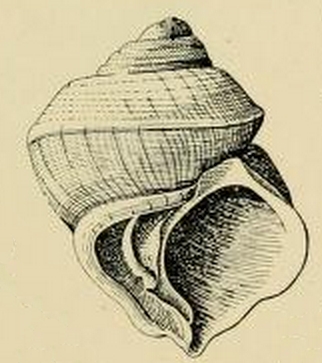 Crossea biconica
 Crossea concinna
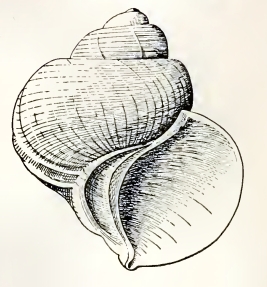 Crossea gatliffi
 Cassidula sowerbyana
 Ophicardelus sulcatus
 Cassidula angulifera
 Crossea inverta
Or spin for another random animal on the explorer, or browse all species in the full directory.