
Quick Facts
- Type
- Insect
- Size
- 5–7.5 cm long
- Weight
- A few grams
- Habitat
- Meadows and shrubland across Europe and beyond
- Diet
- Insects and other small invertebrates
- Active Time
- Active by day (diurnal)
- Lifespan
- Less than a year
Field Notes
- A mantis can turn its triangular head nearly 180 degrees to track prey.
- Females sometimes eat the male during or after mating.
- It catches prey with a strike so fast it is hard to see with the naked eye.
About the European Praying Mantis
The European praying mantis is a predatory insect named for the way it holds its spined forelegs folded as if in prayer. A patient ambush hunter, it sits motionless, often camouflaged green or brown among leaves, then snatches passing insects with a lightning grab. Its triangular head can swivel almost all the way around, and it has large compound eyes for spotting prey. Females sometimes eat males during or after mating. Each lays eggs in a foamy case that hardens to protect them through winter.
Keep exploring
Related animals
 Hercules Beetle
 Monarch Butterfly
 Luna Moth
 Endoclita damor
 Endoclita malabaricus
 Endoclita sericeus
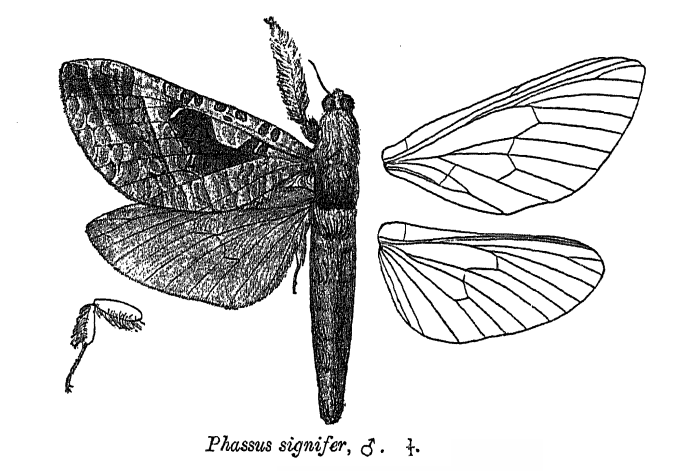 Endoclita signifer
 Endoclita sinensis
 Mnesarchaea acuta
 Mnesarchaea fusca
 Mnesarchaea fallax
 Mnesarchaea fusilella
Or spin for another random animal on the explorer, or browse all species in the full directory.