
Quick Facts
- Type
- Insect
- Size
- 9–10 cm wingspan
- Weight
- Under 1 g
- Habitat
- Fields and forests across North America
- Diet
- Milkweed (caterpillars); flower nectar (adults)
- Active Time
- Active by day (diurnal)
- Lifespan
- Weeks; migrants up to 8 months
Field Notes
- Monarchs migrate thousands of kilometers to the same Mexican forests each winter.
- Their caterpillars eat only milkweed, storing toxins that make them taste bad.
- No single butterfly completes the round trip; it takes several generations.
About the Monarch Butterfly
The monarch butterfly is a large, orange-and-black insect famous for one of the most spectacular migrations in the natural world. Each autumn, monarchs in eastern North America travel up to several thousand kilometers to overwinter in mountain forests in central Mexico, a journey completed over multiple generations. Their caterpillars feed exclusively on milkweed, absorbing toxins that make both caterpillar and adult distasteful to predators, advertised by their bright warning colors. Monarch populations have declined sharply due to habitat loss and reduced milkweed, prompting major conservation efforts.
Keep exploring
Related animals
 Hercules Beetle
 European Praying Mantis
 Luna Moth
 Endoclita damor
 Endoclita malabaricus
 Endoclita sericeus
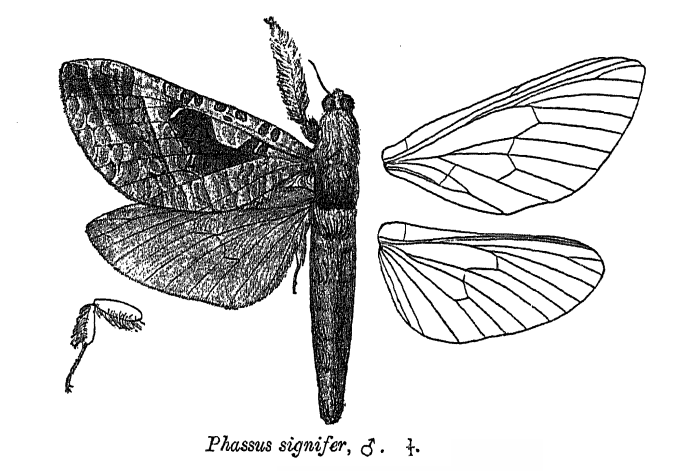 Endoclita signifer
 Endoclita sinensis
 Mnesarchaea acuta
 Mnesarchaea fusca
 Mnesarchaea fallax
 Mnesarchaea fusilella
Or spin for another random animal on the explorer, or browse all species in the full directory.